



Acrylic Painting: A Vibrant Medium of Modern Artistic Expression
Acrylic painting is one of the most dynamic and versatile art forms in the world of visual creativity. Known for its quick-drying nature, bold colors, and ability to adapt to various surfaces, acrylic has become a favorite medium among artists—from beginners to professional painters. Introduced in the mid-20th century, acrylic paint is made from pigment suspended in an acrylic polymer emulsion, which allows it to behave like both watercolor and oil paint depending on how it is used. When diluted with water, acrylics deliver soft, transparent washes similar to watercolors, but when applied thickly, they create rich textures and depth like oil paints. This flexibility gives artists endless opportunities to experiment with layering, blending, glazing, and textural techniques.
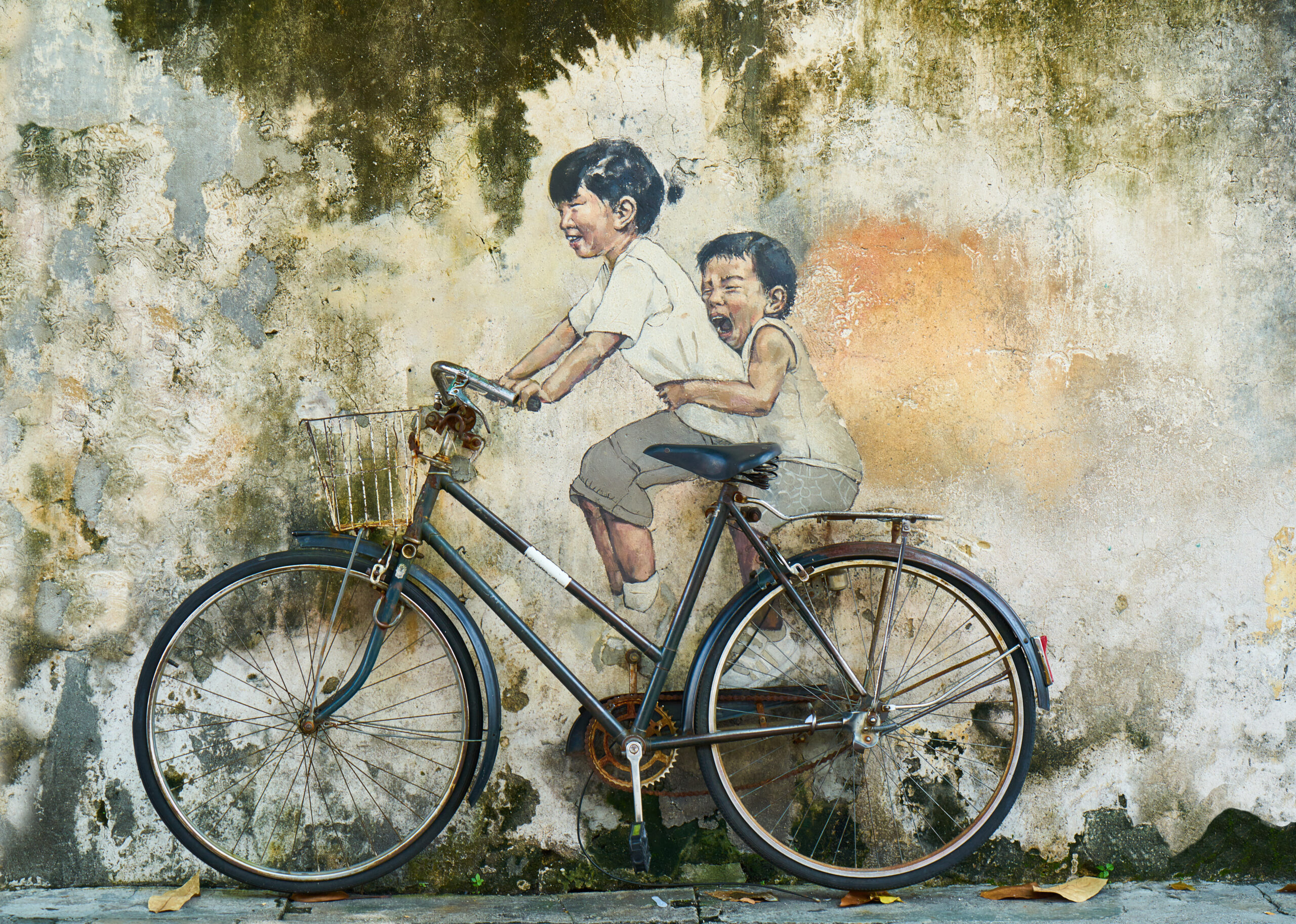
One of the greatest strengths of acrylic painting is its durability and longevity. Once dry, acrylic paint becomes water-resistant and maintains its vibrancy for years without yellowing or cracking. It can be used on a wide variety of surfaces, including canvas, wood, paper, cloth, glass, metal, and even walls—making it ideal for fine art, murals, crafts, and mixed-media work. Artists often use tools such as palette knives, brushes, sponges, and even everyday objects to create unique effects, enhancing the expressive potential of the medium. The fast drying time also encourages spontaneous creativity, allowing artists to build up multiple layers quickly without long waiting periods.
Acrylic painting has become a powerful form of emotional and visual storytelling. Whether depicting landscapes, portraits, abstract designs, or contemporary concepts, acrylic artists capture movement, light, and texture with remarkable intensity. The medium supports artistic freedom, creativity, and innovation, making it especially popular in modern art. For many artists, acrylic painting represents not just technique but a journey of imagination and exploration. It inspires bold expression, celebrates individuality, and transforms blank surfaces into vibrant reflections of thought and feeling—proving that art continues to evolve while remaining deeply connected to human experience.


